
The Lednice Greenhouse: A Stunning Collection of Tropical Plants
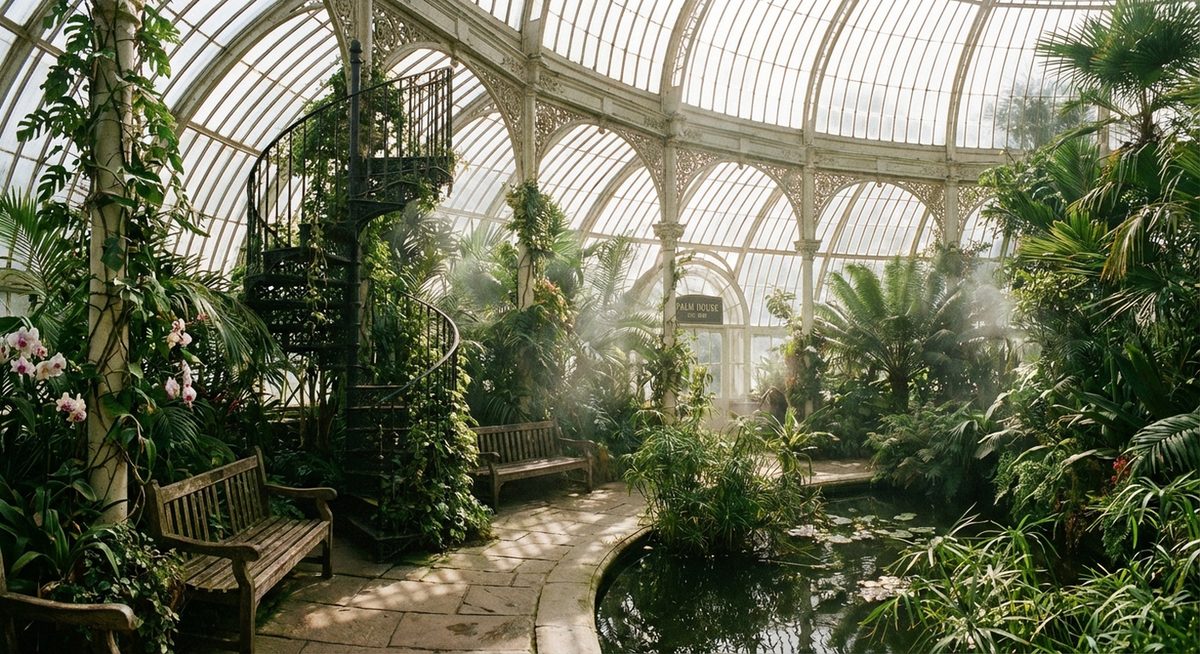
Nestled beside the main courtyard of Lednice Castle, the Lednice Greenhouse (Zámecký skleník) is one of the oldest and largest historic glasshouses in Europe. Built in the mid-19th century to house the Liechtenstein family's prized collection of exotic plants, this elegant structure today shelters hundreds of tropical and subtropical species beneath its soaring iron-and-glass vaults. A visit to the greenhouse is the perfect complement to a castle tour, offering a lush, warm retreat into a world of towering palms, fragrant blossoms, and verdant tropical foliage.
History of the Greenhouse
Construction (1843–1845)
The Lednice Greenhouse was built between 1843 and 1845 under the direction of architect Georg Wingelmüller, the same architect responsible for the Neo-Gothic transformation of the castle. Commissioned by Duke Alois II of Liechtenstein, the greenhouse was designed to be both a functional horticultural facility and an architectural showpiece worthy of one of Europe's wealthiest noble families.
Wingelmüller drew on the latest advances in iron-and-glass construction technology, inspired by the great conservatories being built in England and continental Europe at the time. The result was a structure of remarkable lightness and elegance, with a vast central hall rising to a height of over 10 metres, flanked by lower wings and connected to the castle complex by covered walkways.
The Liechtenstein Plant Collection
The Liechtenstein family were passionate plant collectors. Throughout the 18th and 19th centuries, they sponsored botanical expeditions and purchased rare specimens from nurseries across Europe and beyond. The greenhouse at Lednice was built specifically to provide a controlled environment for their most prized tropical acquisitions, many of which could not survive the harsh Moravian winters outdoors.
At its peak, the collection included plants sourced from South America, Africa, Southeast Asia, and Australia. The Liechtensteins employed a team of specialised gardeners to maintain the collection, and the greenhouse was heated by an elaborate system of hot-water pipes fed by coal-fired boilers — a cutting-edge technology for the time.
Modern Era
After 1945, the greenhouse passed into state ownership along with the rest of the Lednice estate. Despite periods of neglect during the communist era, the structure survived and underwent significant restoration in the late 20th and early 21st centuries. Today, it is managed by the National Heritage Institute (NPÚ) and continues to house an impressive living collection that honours the horticultural legacy of the Liechtenstein family.
What to See Inside
The Palm House (Main Hall)
The centrepiece of the greenhouse is the magnificent Palm House, a soaring glass-roofed hall filled with mature palm trees, some of which reach heights of 8–10 metres. Species include the Canary Island date palm, the Chinese fan palm, and several varieties of cycad — living fossils whose ancestors date back hundreds of millions of years. The scale of the hall, combined with the filtered tropical light, creates an atmosphere quite unlike anything else in the Czech Republic.
Tropical Section
The tropical wing maintains temperatures of 20–28 °C year-round and houses plants from equatorial regions. Highlights include giant philodendrons with leaves the size of dinner plates, bird-of-paradise flowers in vivid orange and blue, delicate bromeliads, dozens of orchid species, and several varieties of tropical fern. The air is warm and humid, and the lush density of the planting gives the impression of walking through a miniature rainforest.
Subtropical Section
The subtropical wing is slightly cooler and features plants from Mediterranean, South African, and Australian climates. Citrus trees laden with lemons and oranges, elegant camellias, oleanders, agaves, and various species of succulent thrive here. During late winter and early spring, the camellia collection produces a stunning display of blossoms in shades of pink, red, and white — a welcome sight after the long Moravian winter.
Seasonal Exhibitions
Throughout the year, the greenhouse hosts special seasonal exhibitions and displays. These include spring flower shows, summer orchid exhibitions, and autumn harvest displays featuring exotic fruits and gourds. Check the NPÚ website or local tourist information for current exhibition details during your visit.
Photography Tip
The greenhouse interior offers excellent photographic opportunities. The combination of tropical plants and 19th-century iron-and-glass architecture creates a uniquely atmospheric setting. Natural light filtering through the glass roof is usually sufficient, though the humid air can cause camera lenses to fog up when entering from the cold — allow a few minutes for your equipment to acclimatise.
Architecture and Engineering
The greenhouse is a remarkable example of mid-19th-century iron-and-glass architecture. The main structure consists of a cast-iron framework supporting large panes of glass, a construction method that was at the forefront of building technology in the 1840s. The design anticipates the famous Crystal Palace built in London in 1851, making the Lednice Greenhouse one of the early masterpieces of this revolutionary building technique in Central Europe.
The heating system, though modernised, still follows the basic principles of the original installation. Hot water circulates through pipes embedded beneath the planting beds and along the base of the glass walls, maintaining the constant tropical temperatures required by the collection. Ventilation is achieved through operable roof panels that can be opened during warmer months to regulate temperature and humidity.
Admission Prices 2026
| Ticket Type | Price (CZK) | Price (EUR approx.) |
|---|---|---|
| Adult | 100 CZK | ~4 € |
| Reduced (students, seniors) | 70 CZK | ~3 € |
| Children 6–15 | 50 CZK | ~2 € |
| Children under 6 | Free | Free |
| Family ticket (2 adults + 2 children) | 250 CZK | ~10 € |
A combined ticket for the greenhouse and castle tour may be available at a reduced rate. Ask at the main ticket office in the castle courtyard.
Opening Hours 2026
| Period | Days Open | Hours |
|---|---|---|
| February – March | Sat – Sun | 10:00 – 15:30 |
| April | Tue – Sun | 9:00 – 16:00 |
| May – June | Tue – Sun | 9:00 – 17:00 |
| July – August | Daily | 9:00 – 18:00 |
| September | Tue – Sun | 9:00 – 17:00 |
| October – November | Sat – Sun | 10:00 – 15:30 |
| December – January | Closed | — |
Unlike the castle and minaret, the greenhouse is open for most of the year on at least weekends, making it a viable attraction even during the colder months when other Lednice sites are closed. Last admission is 30 minutes before closing.
Practical Information
The greenhouse is located directly adjacent to the main castle courtyard, just a one-minute walk from the castle entrance. It is the closest attraction to the car park and village centre, making it an easy first or last stop on your Lednice visit.
The greenhouse is partially wheelchair accessible. The main hall and most of the ground-level paths are navigable by wheelchair, though some of the narrower side passages may be difficult. Pushchairs are permitted but can be cumbersome in the narrower sections.
There is a small gift shop near the greenhouse entrance selling postcards, botanical books, and souvenirs related to the plant collection and the Lednice estate.
Frequently Asked Questions
How long does a visit to the greenhouse take?
A typical visit lasts 30–45 minutes, though plant enthusiasts and photographers may want to spend longer. There is no guided tour — you explore at your own pace along a marked route through the various sections.
Is the greenhouse open in winter?
The greenhouse is open on weekends from February through November, closing only in December and January. The heated interior makes it a particularly pleasant visit during the colder months, providing a warm tropical escape from the Moravian winter.
Can I take photos inside the greenhouse?
Yes, photography is permitted throughout the greenhouse for personal use. Tripods may be restricted during busy periods. Be aware that moving from cold outdoor air into the warm, humid greenhouse may cause camera lenses to fog — allow a few minutes for acclimatisation.
Is the greenhouse suitable for children?
Children generally enjoy the greenhouse, particularly the towering palms and colourful tropical flowers. The visit is self-guided, so families can move at their own pace. However, children should be reminded not to touch the plants, some of which are rare and delicate.
What plants can I see in the greenhouse?
The collection includes over 250 species of tropical and subtropical plants, including palms, cycads, orchids, bromeliads, citrus trees, camellias, ferns, and various flowering species from South America, Africa, and Asia. The exact display varies with the season.
Is the greenhouse connected to the castle?
The greenhouse stands adjacent to the castle courtyard and is connected by a short covered walkway. You do not need a castle tour ticket to visit the greenhouse — it has its own separate entrance and admission.
Who designed the Lednice Greenhouse?
The greenhouse was designed by architect Georg Wingelmüller and built between 1843 and 1845. Wingelmüller was also the architect responsible for the Neo-Gothic redesign of Lednice Castle itself.
Are there plants for sale at the greenhouse?
Occasionally, plant sales or gardening events are held at the greenhouse, particularly during spring. However, there is no permanent plant shop. The small gift shop near the entrance sells postcards, books about the collection, and botanical souvenirs.
Can I visit the greenhouse with a combined castle ticket?
Combined tickets covering the castle tour and greenhouse visit are sometimes available at a discounted rate. Ask at the main ticket office in the castle courtyard about current combination offers.
How does the Lednice Greenhouse compare to other European greenhouses?
The Lednice Greenhouse is one of the oldest and largest historic glasshouses in Central Europe. While it is smaller than Kew Gardens in London or the Royal Greenhouses of Laeken in Brussels, its historical significance, architectural beauty, and the quality of its collection make it one of the most important botanical attractions in the Czech Republic.